WILLOW GARDEN · SAMPLE ARTICLE
How to plan a raised bed for a small backyard
Make room for a useful little garden, with a layout that fits your space and the way you want to grow.
Willow Garden is a fictional business. This article was prepared to demonstrate the product’s presentation; it is not a customer publication or a promise of results.
Willow Garden editorial team · Demonstration
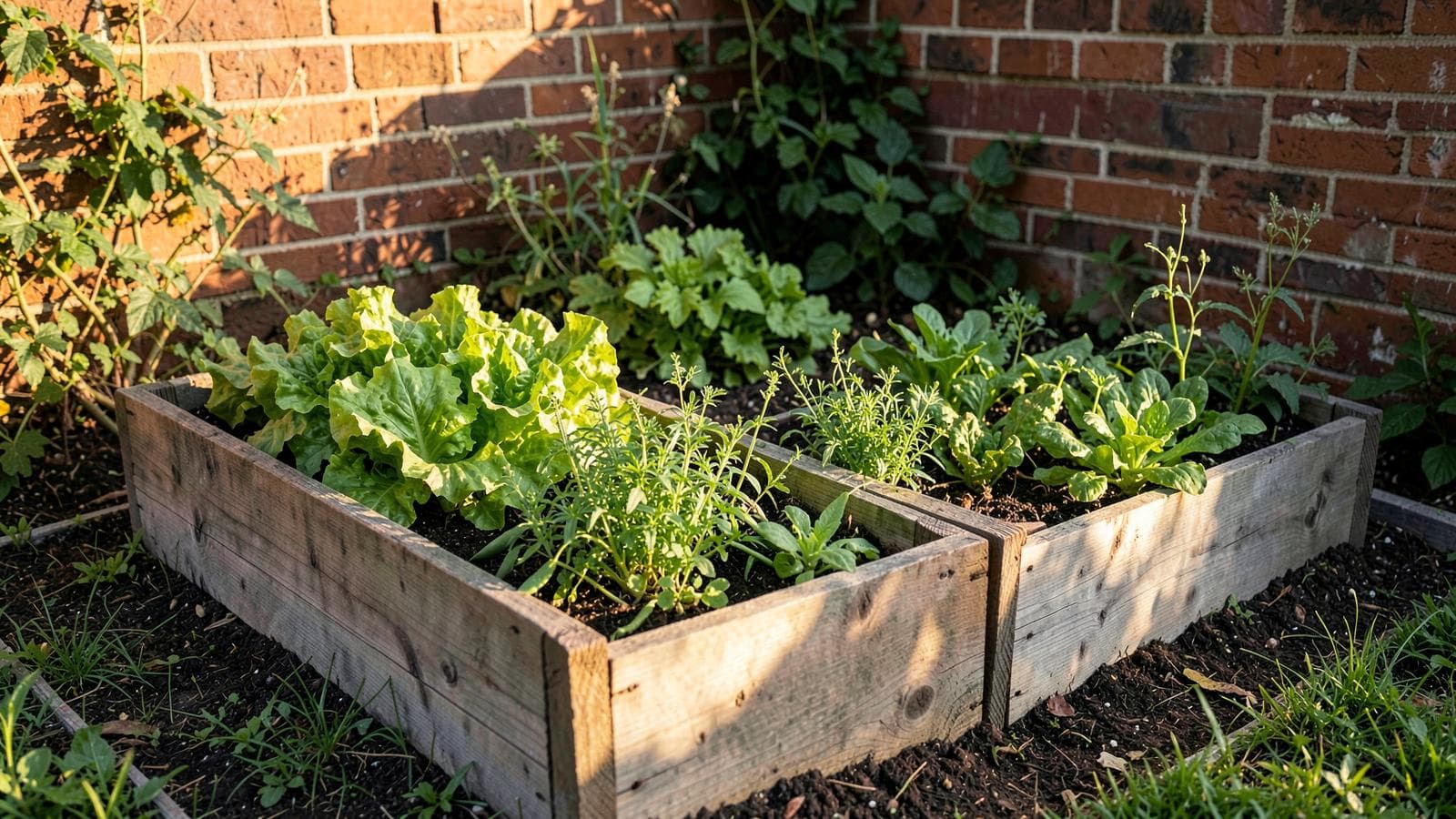
Look at the space before buying
A raised bed starts with a simple decision: where do you want to grow? Before choosing timber, soil or seedlings, sketch the backyard and mark doors, taps, paths and areas that already have a job. The aim is to add a garden to your routine without making the route to the door an obstacle course.
Watch the light at different times and note what happens in that space. A sunny morning corner may be shaded in the afternoon. Use those observations to choose suitable plants, checking variety guidance and a horticultural resource for your region. One observation does not represent every season.
Also check where water goes after rain. If you plan to put the structure on a balcony, roof or terrace, confirm loading capacity and property requirements with a qualified professional before adding heavy soil, water and materials.
Design a garden you can look after
Start with an area that is small and easy to reach. Mark the proposed outline on the ground with cord or another removable material. Walk around it, imagine watering and check whether you can reach the middle without stepping into the bed. Adjusting the outline now is easier than moving a filled structure later.
Leave room to move
The path needs to work for the people using the garden: you, others in the household and, when relevant, someone with limited mobility. Allow for carrying tools and opening doors. The right dimensions depend on access and use; do not choose a path width just from a photograph of another garden.
Choose materials with a purpose
Compare durability, cost, assembly and maintenance. For growing food, confirm materials are suitable for that purpose and avoid reclaimed timber with an unknown treatment history. Plan filling and drainage together rather than buying a container and solving everything else afterward.
A worked planning example
Imagine a small backyard where the route to a utility area must stay clear. The owner wants kitchen herbs, has a tap near the door and little spare time during the week. This is an illustrative scenario, not an installed project or structural recommendation.
| Decision | Application in this example |
|---|---|
| Position | A side area observed during the day, clear of the main path. |
| Access | An outline marked on the ground to test reach and movement. |
| First planting | A few varieties chosen for the light, climate and kitchen use. |
| Routine | Check moisture and plant condition before deciding to water. |
If the test shows the bed blocks the path, reduce its width or use smaller containers. If the light does not suit the chosen plants, change the location or the varieties. The purpose of the sketch is to discover these conflicts before buying.
To carry the plan forward, use the watering observation routine below. It supports the layout without turning a fixed timetable into a rule for every plant.
A watering observation routine
Make it practical to check the growing medium and reach each container. Observe moisture and follow the needs of the plants you choose; rain, temperature, exposure and container size all affect watering needs. Record early adjustments so you can learn from your own space.
Your next step
You do not need to buy everything today. Sketch the space, observe the light and test the route around the bed. Then list the plants you want and check whether they suit the location. That small amount of planning gives you a better starting point for talking to a supplier or seeking specialist advice.
In the fictional Willow Garden example, the next step would be to prepare your first raised-bed checklist. In a real article, the call to action can lead to a relevant, verified offering from your business.
Your pre-purchase checklist
- Location observed at different times.
- Paths and reach tested with the outline marked.
- Materials, drainage and structural conditions checked where needed.
- Plants selected for the climate, light and your routine.
Turn your business topics into articles.
Get my first articles3 articles · 7 days · US$1 total · No automatic renewal